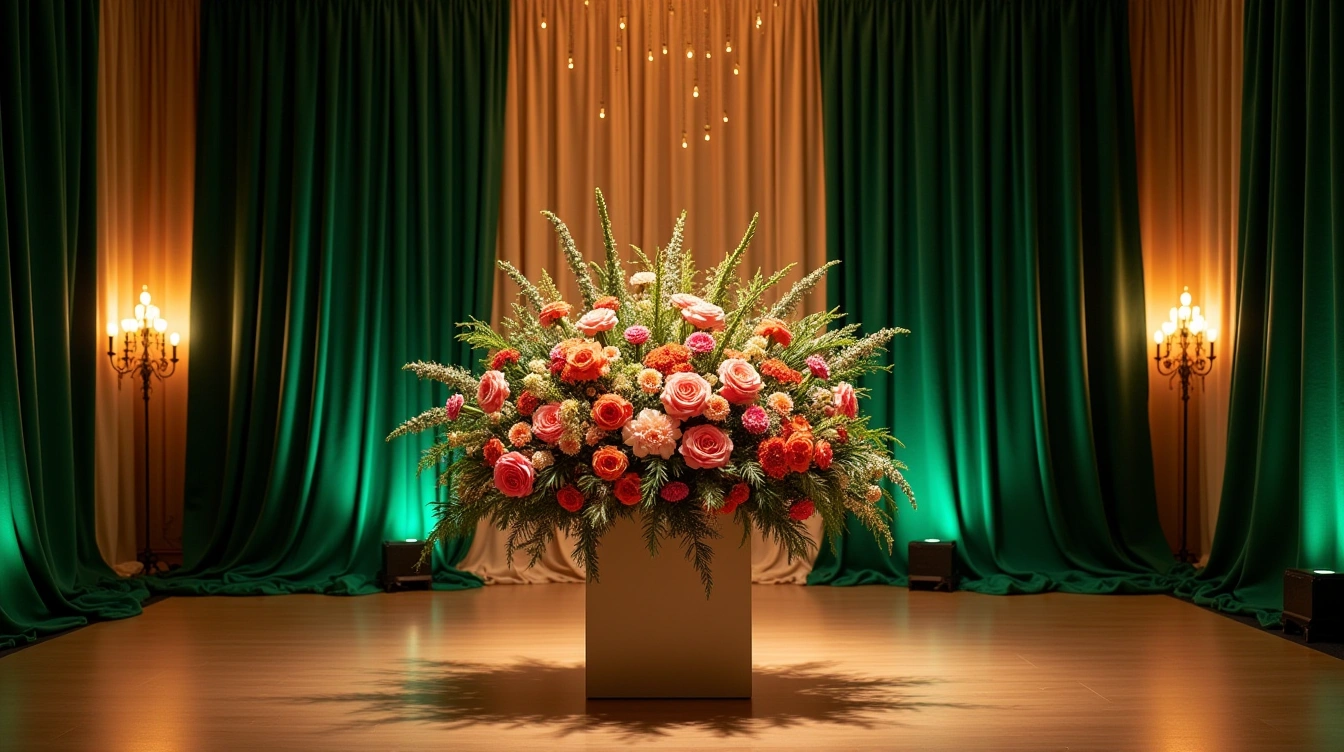
In luxury event planning, prototyping transforms concepts into tangible realities before the final execution. According to Event Manager Blog’s industry report, 78% of premium event agencies now utilize advanced prototyping techniques to reduce costly modifications and ensure flawless delivery. How can strategic prototyping elevate your next luxury event experience?
Why Professional Prototyping Transforms Event Success ?
Professional prototyping serves as the foundation for exceptional event experiences, particularly when working with luxury brands that demand perfection. Through advanced 3D modeling and physical mockups, event professionals can visualize complex scenographic elements before committing to full-scale production.
Also to read : What Are the Latest Trends Shaping the Future of Business Services in the UK?
Risk mitigation becomes paramount when dealing with high-stakes luxury events for brands like LVMH and Louis Vuitton. Prototyping allows teams to identify potential structural issues, material incompatibilities, or design flaws that could compromise the final installation. This proactive approach prevents costly last-minute modifications and ensures seamless execution on event day.
Cost optimization emerges naturally through the prototyping process. By testing materials, dimensions, and assembly methods in advance, event planners can refine their approach and eliminate waste. The initial investment in prototyping typically saves 20-30% on overall production costs while delivering superior creative validation.
Also to read : 10 strategies to mask your CV for enhanced job prospects
Immersive experiences require precise coordination between multiple elements. Prototyping enables teams to test lighting interactions, guest flow patterns, and brand integration points. This comprehensive validation process ensures that every detail aligns with the client’s vision and creates the desired emotional impact for attendees. The prototyping of event decorations enables precise visualization, material testing, and client approval processes that guarantee exceptional results.
The Complete Prototyping Process in Event Decoration Design
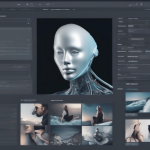
The prototyping journey begins with advanced 3D modeling, where our design team transforms conceptual sketches into detailed digital blueprints. Using sophisticated CAD software, we create precise virtual environments that allow clients to visualize every element before production begins. This digital foundation enables us to experiment with materials, lighting effects, and spatial configurations while maintaining complete creative flexibility.
Once the 3D design receives approval, we transition to physical prototyping using premium materials that mirror the final installation. Our workshop team constructs scaled models and full-size samples, paying particular attention to structural integrity and aesthetic details. This phase proves especially crucial when working with luxury brands like LVMH, where every surface finish and connection point must meet exacting standards.
The final validation involves comprehensive testing under simulated event conditions. We evaluate load-bearing capacities, assembly timelines, and visual impact from multiple viewing angles. This rigorous approach ensures that complex installations unfold seamlessly during actual events, eliminating last-minute surprises and maintaining the sophisticated atmosphere that luxury clients expect. The prototyping process typically spans 2-4 weeks, depending on project complexity and customization requirements.
Essential Materials and Technologies for Event Prototype Development
The choice of materials and technologies directly impacts the success of event prototyping. Each material offers distinct advantages depending on the project’s complexity, timeline, and budget requirements.
- Foam materials provide lightweight solutions perfect for testing spatial arrangements and structural concepts. They allow quick modifications during the design phase and offer excellent cost-effectiveness for initial mockups.
- Cardboard prototyping excels in rapid concept visualization and architectural planning. This approach proves invaluable for creating scale models of entire event layouts before committing to expensive materials.
- 3D printing technology delivers precision for intricate decorative elements and custom components. It enables detailed testing of complex geometries and ensures perfect fit for luxury brand installations.
- Textile materials allow designers to test fabric draping, color combinations, and texture interactions under various lighting conditions. This proves essential for creating immersive atmospheric experiences.
- Electronic components enable prototyping of interactive elements, lighting systems, and digital displays. Testing these technologies early prevents technical failures during live events.
The combination of these materials and technologies ensures comprehensive prototype development that addresses both aesthetic and functional requirements for luxury event experiences.
Cost-Benefit Analysis of Professional Prototype Creation
Professional prototype creation represents a strategic investment that consistently delivers measurable returns in luxury event production. When working with prestigious brands like LVMH and Louis Vuitton, the cost of prototype development typically represents 8-12% of the total project budget, yet prevents potential losses that could reach 30-40% of total investment due to last-minute modifications or installation failures.
The financial benefits become particularly evident in complex installations where technical precision is paramount. A prototype allows teams to identify structural challenges, material incompatibilities, and logistical constraints before committing to full-scale production. This early detection eliminates costly emergency corrections, reduces material waste by approximately 25%, and prevents potential delays that could compromise brand reputation.
For luxury brands, the value extends beyond immediate cost savings to encompass brand protection and experience quality. A well-executed prototype ensures that the final installation meets exacting standards, maintaining the premium positioning that these brands require. The investment in prototyping ultimately enhances client confidence and establishes the foundation for long-term partnerships in the competitive luxury events sector.
Why Professional Prototyping Transforms Event Visions into Reality ?
In the luxury event industry, the difference between a memorable experience and a costly disaster often lies in one crucial step: professional prototyping. When working with prestigious brands like LVMH or Louis Vuitton, there’s no room for improvisation or last-minute adjustments that could compromise the brand’s image.
Without proper prototyping, event installations face significant risks. Complex scenic elements may not fit venue constraints, interactive features might malfunction during peak moments, or the overall aesthetic could fall short of the brand’s exacting standards. These failures not only waste substantial budgets but can also damage long-term client relationships.
Professional prototyping transforms abstract creative visions into tangible, tested realities. Through advanced 3D modeling and physical mock-ups, every structural element, lighting effect, and interactive component undergoes rigorous testing before the final installation. This meticulous process ensures that when luxury brands unveil their experiences, every detail performs flawlessly.
The expertise required for luxury brand prototyping goes beyond technical skills. It demands an understanding of brand heritage, audience expectations, and the seamless integration of technology with storytelling. This comprehensive approach guarantees that each event not only meets but exceeds the sophisticated standards that define premium brand experiences.